Homemade sourdough pie crust
Stop right there! Before you reach for that plain, store-bought crust, imagine a pie base that’s flaky, buttery, and has a secret, satisfying flavor. That’s what a homemade sourdough pie crust brings to the table—it uses a little bit of your starter to create the most tender, crave-able crust that is way better than the ordinary, giving your favorite filling a delicious, subtle tang.
The secret Ingredient for the BEST Pie Crust: Sourdough
If you love the satisfying, flaky crust of a homemade pie, but want to try something a little different and a lot more flavorful, it’s time to meet the sourdough pie crust.
This isn’t about making a puffy, bread-like crust. It’s about taking the wonderful ingredients you already use—flour, butter, and maybe a little sugar—and adding a secret weapon: sourdough.
What is Sourdough Discard, and Why Put it in Pie Crust?
If you have a sourdough starter (that mix of flour and water you keep alive), you have “discard” when you feed it. Instead of throwing that extra bit away, you can use it in your pie crust!
Here’s why it’s a brilliant idea:
- Tons of Flavor: Sourdough starter has a subtle, pleasant tangy flavor that normal crusts don’t. It adds depth and complexity, making your pie taste more special—whether it’s a sweet apple pie or a savory quiche.
- Extra Flaky: The natural acids in the sourdough starter actually help tenderize the dough and reduce the tough texture that can happen when you overwork a crust. The result? A wonderfully tender, flaky pastry that melts in your mouth.
- Less Waste: It’s a fantastic, easy way to use up the sourdough discard you would otherwise toss.
Making the Crust: The Easy Method
The good news is that making a sourdough pie crust is very similar to a regular one. The most important rule for any flaky pie crust still applies: keep everything cold!
Here are the basic steps:
- Mix the Dry Ingredients: Stir together your flour, salt, and sugar.
- Cut in Cold Butter: This is the key to flakiness! Use a pastry cutter or a fork, but I prefer to grate my butter and add it to the flour-mixture.
- Add the Sourdough: Pour in your cold sourdough discard (and sometimes a splash of ice water if the dough is too dry). Mix it just until the dough barely comes together. Don’t over-mix!
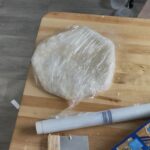
- Chill Out: Form the dough into a flat disk, wrap it up, and let it chill in the fridge for at least an hour. This resting time is important—it helps the dough hydrate and makes it easier to roll out.
- Roll and Bake: Roll out your cold dough, place it in your pie plate, fill it up, and bake your incredible pies, sweet or savory.
A Simple Upgrade for Any Pie
A sourdough crust works perfectly for sweet pies like pumpkin, pecan, or apple, as well as savory pies like chicken pot pie or quiches. The subtle sour flavor is an amazing compliment to almost any filling.
If you’re already on the sourdough train, this is the easiest upgrade you can make to your baking. Give it a try—it just might become your new favorite crust!
That is a fantastic question! Adding apple cider vinegar (or any vinegar) to pie crust is a trick that has been passed down for generations of bakers, and it’s all about achieving the perfect flaky and tender texture.
Apple Cider Vinegar in pie crusts?
The Two Main Reasons for Adding Vinegar
1. It Helps Keep the Crust Tender
The main goal of a perfect pie crust is to limit gluten development. Gluten is what makes bread chewy and elastic (stretchy), but it makes a pie crust tough.
- The Theory: Vinegar is an acid. The tiny bit of acid in the dough is believed to interfere with the formation of the long, strong gluten strands when water is mixed with flour.
- The Result: By slowing down the gluten-making process, the dough stays more relaxed and tender, which means a flakier and more delicate crust when baked. It also can make the dough a little easier to roll out, as it won’t snap back as much.
2. It Can Prevent Gray Color
This is especially helpful if you plan to make your pie dough ahead of time and chill it in the fridge for a day or more.
- The Science: Dough can sometimes “oxidize” while it rests, which can cause the dough to turn a slightly unappetizing grayish color.
- The Result: The vinegar acts as a small preservative that helps stop this oxidation, keeping your dough looking fresh and having a nice, golden brown color when it bakes.
Will It Make My Pie Taste Like Vinegar?
No, you usually won’t taste it! You only add a very small amount—often just a teaspoon or two.
The vinegar evaporates almost completely during the high heat of baking, leaving behind only its positive effects on texture and color.If you notice any flavor at all, it’s a very subtle tang that compliments the sweetness or savoriness of the filling.
It’s a small step that many bakers swear by for a little extra insurance against a tough crust! Don’t take my word for it, try it out for yourself to see!
Here is the link to my Homemade Pumpkin Pie recipe to try with this pie crust. Along with my homemade pumpkin puree.
Sourdough Pie Crust
Equipment
- cheese grater
Ingredients
- 250 grams all purpose flour
- 226 grams butter grated
- 1 tsp sea salt
- ½ tsp sugar
- 2 tsp apple cider vinegar (ACV)
- 200 grams COLD sourdough discard
- 4-8 TBSP COLD filtered water
Instructions
- Grate your butter entirely, ensure it stays cold. Place in fridge for a few minutes if needed
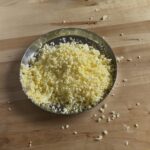
- Combine all dry ingredients into a bowl.
- Add your cold butter and mix together, do not over mix. (You do NOT want your butter to melt, using your hands can potentially melt the butter)
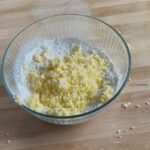
- Add your ACV and sourdough discard
- In a separate bowl, add filtered water with ice cubes. Add water in increments to the dough. Ensure the water stays cold don't over add. You don't want there to be any dry bits.
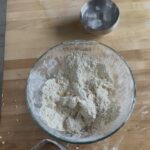
- Form the dough into a ball and let chill in the fridge for 2-4 hours.
- Once chilled you can roll it out and place it in a pie pan, add your pie filling and bake according to those directions. If making homemade filing bake accordingly: Place in your pie pan and put parchment paper on top, fill parchment paper with baking weights or dried rice or beans. Bake at 400℉ for 15minutes. Remove from the oven and remove the baking weights. Place back in the oven and bake until crispy on the sides. Let cool until room temperature before putting your pie filling inside.
- Note: You can freeze your dough for up to 3 months. I would recommend freezing your dough in an already rolled out form so it is easier to bake with.